AI-powered learning
Save this course
Exploring Graphs with Elixir
Explore graph data structures with Elixir, including native vs. external databases, querying with Cypher, Gremlin, and SPARQL, and transforming data between graph models for efficient data management.
120 Lessons
35h
Join 3.1 million developers at
Join 3.1 million developers at
LEARNING OBJECTIVES
- An understanding of the basic graph data structures
- Hands-on experience building native graph structures in Elixir
- Ability to use graph-aware packages in the Elixir ecosystem
- Ability to harness the concurrency of Elixir for distributed data across data networks
- Ability to generate queries for graph databases with Cypher, Gremlin, and GraphQL
- Ability to perform queries for linked open data with SPARQL
- Ability to process and transform data from one graph model to another
Learning Roadmap
1.
Getting Started
Getting Started
Get familiar with graph data structures in Elixir, their applications, and query optimization.
2.
Part I - Graphs Everywhere
Part I - Graphs Everywhere
Get started with graph data structures in Elixir, creating and querying versatile networks.
3.
Getting Started with the Project
Getting Started with the Project
11 Lessons
11 Lessons
Work your way through setting up an Elixir umbrella project, graph store, and service API.
4.
Part II - Getting to Grips with Graphs
Part II - Getting to Grips with Graphs
12 Lessons
12 Lessons
Break down complex ideas using libgraph for native graph management and visualization in Elixir.
5.
Exploring Graph Structures
Exploring Graph Structures
7 Lessons
7 Lessons
Deepen your knowledge of creating, modeling, and querying graphs with Elixir's libgraph.
6.
Navigating Graphs with Neo4j
Navigating Graphs with Neo4j
10 Lessons
10 Lessons
Follow the process of managing Neo4j property graphs, including Cypher queries and bolt_sips integration.
7.
Querying Neo4j with Cypher
Querying Neo4j with Cypher
11 Lessons
11 Lessons
Master querying Neo4j with Cypher for property graphs, book/ARPANET graphs, parameters, and schemas.
8.
Graphing Globally with RDF
Graphing Globally with RDF
14 Lessons
14 Lessons
Step through RDF for global data integration, modeling, vocabulary, API services, and querying.
9.
Querying RDF with SPARQL
Querying RDF with SPARQL
9 Lessons
9 Lessons
Discover querying RDF graphs with SPARQL using various forms and practical applications.
10.
Traversing Graphs with Gremlin
Traversing Graphs with Gremlin
8 Lessons
8 Lessons
Master Gremlin in Elixir for efficient graph querying and service setup.
11.
Delivering Data with Dgraph
Delivering Data with Dgraph
10 Lessons
10 Lessons
Grasp the fundamentals of leveraging Dgraph for efficient data querying using GraphQL and DQL.
12.
Part III - Graph to Graph
Part III - Graph to Graph
12 Lessons
12 Lessons
Map out the steps for transforming graph models, importing RDF, and federated querying.
13.
Processing the Graph
Processing the Graph
7 Lessons
7 Lessons
Tackle Elixir's process management in graphs, building supervised nodes, preserving state, and simulating network resilience.
Certificate of Completion
Showcase your accomplishment by sharing your certificate of completion.
Complete more lessons to unlock your certificate
Developed by MAANG Engineers
ABOUT THIS COURSE
Graph data structures are quite intuitive and highly flexible. They’re used to conduct queries in databases and interconnect entities in data networks. Elixir, with its power of concurrency and data- and graph-aware packages, is the perfect language to explore graph data structures.
In this course, you’ll learn basic graph data structures and build a simple graph model. Next, you’ll build a testbed umbrella application to compare native graph structures with external databases. You’ll also learn to query graph database systems using Elixir packages Cypher and Gremlin with property graphs and SPARQL with RDF graphs. Next, you’ll learn how to transform data from one graph model to another. Finally, you’ll learn why property graphs are especially good at graph traversal problems while RDF graphs shine at integrating different semantic models and can scale up to web proportions.
After this course, you’ll be able to work with distributed graph datasets and manage data at scale.
ABOUT THE AUTHOR
The Pragmatic Programmers
We create timely, practical books and learning resources on classic and cutting-edge topics to help you practice your craft and accelerate your career.
Trusted by 3.1 million developers working at companies
A
Anthony Walker
@_webarchitect_
E
Evan Dunbar
ML Engineer
S
Software Developer
Carlos Matias La Borde
S
Souvik Kundu
Front-end Developer
V
Vinay Krishnaiah
Software Developer
Built for 10x Developers
No Passive Learning
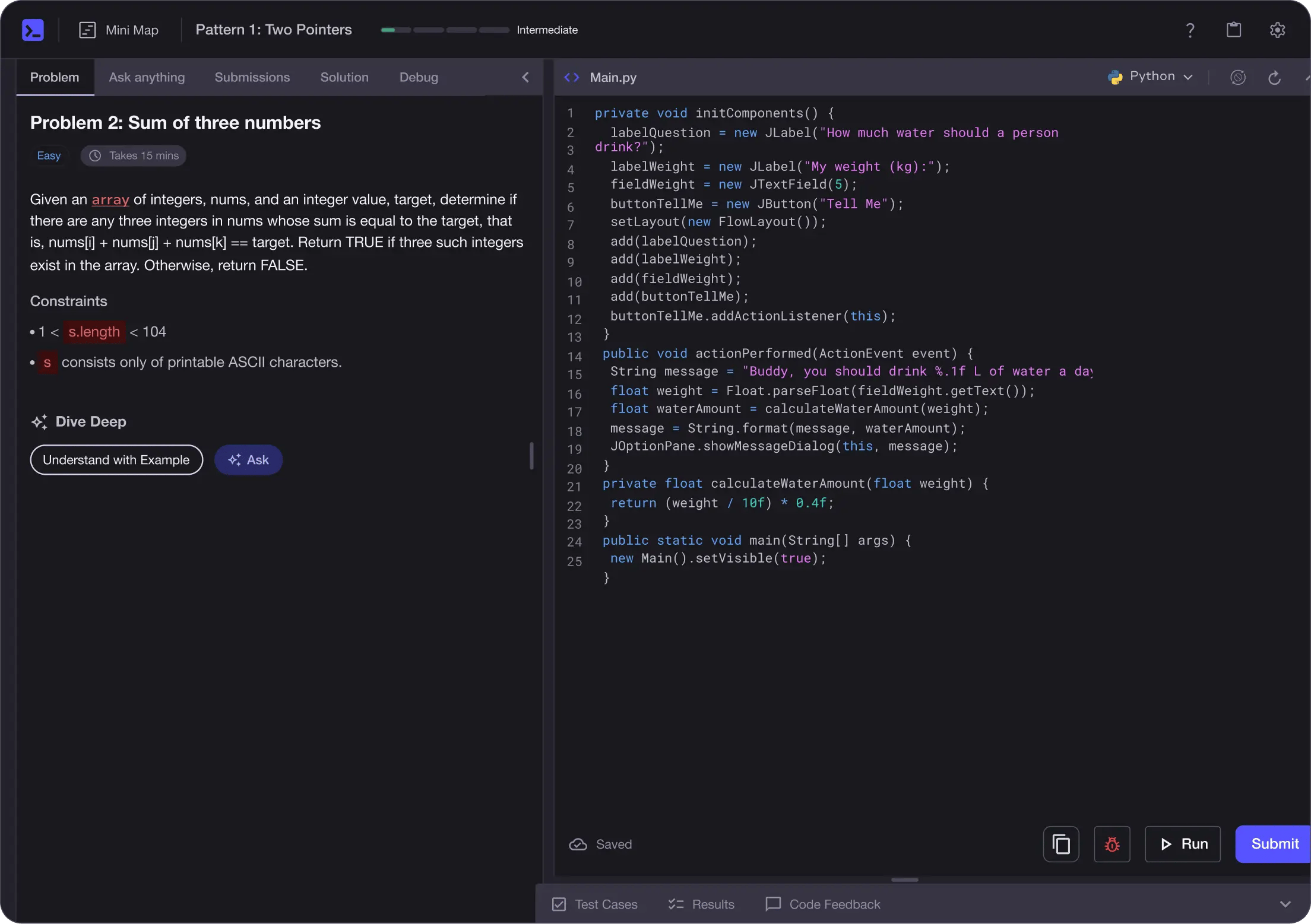
Learn by building with project-based lessons and in-browser code editor
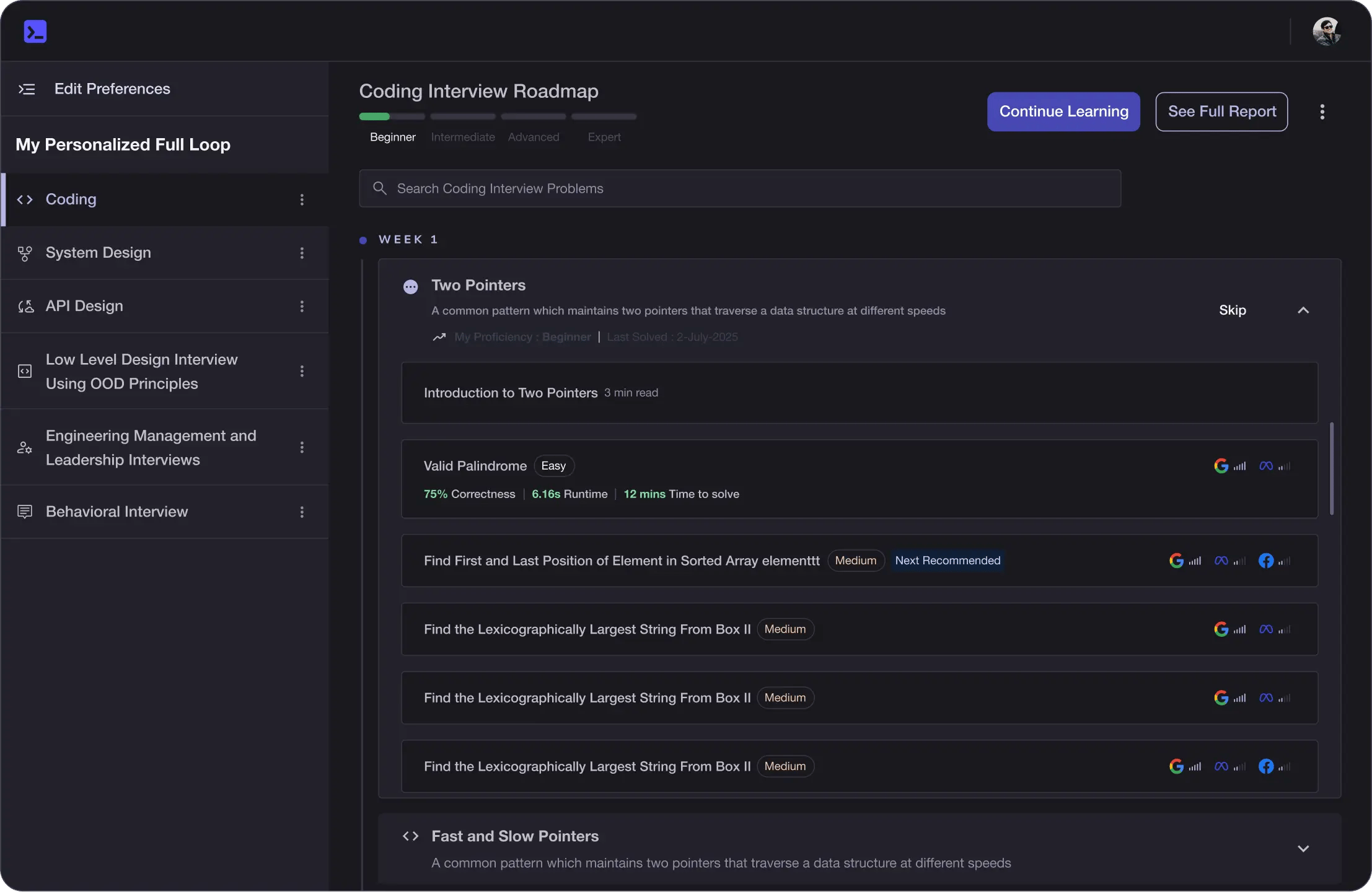
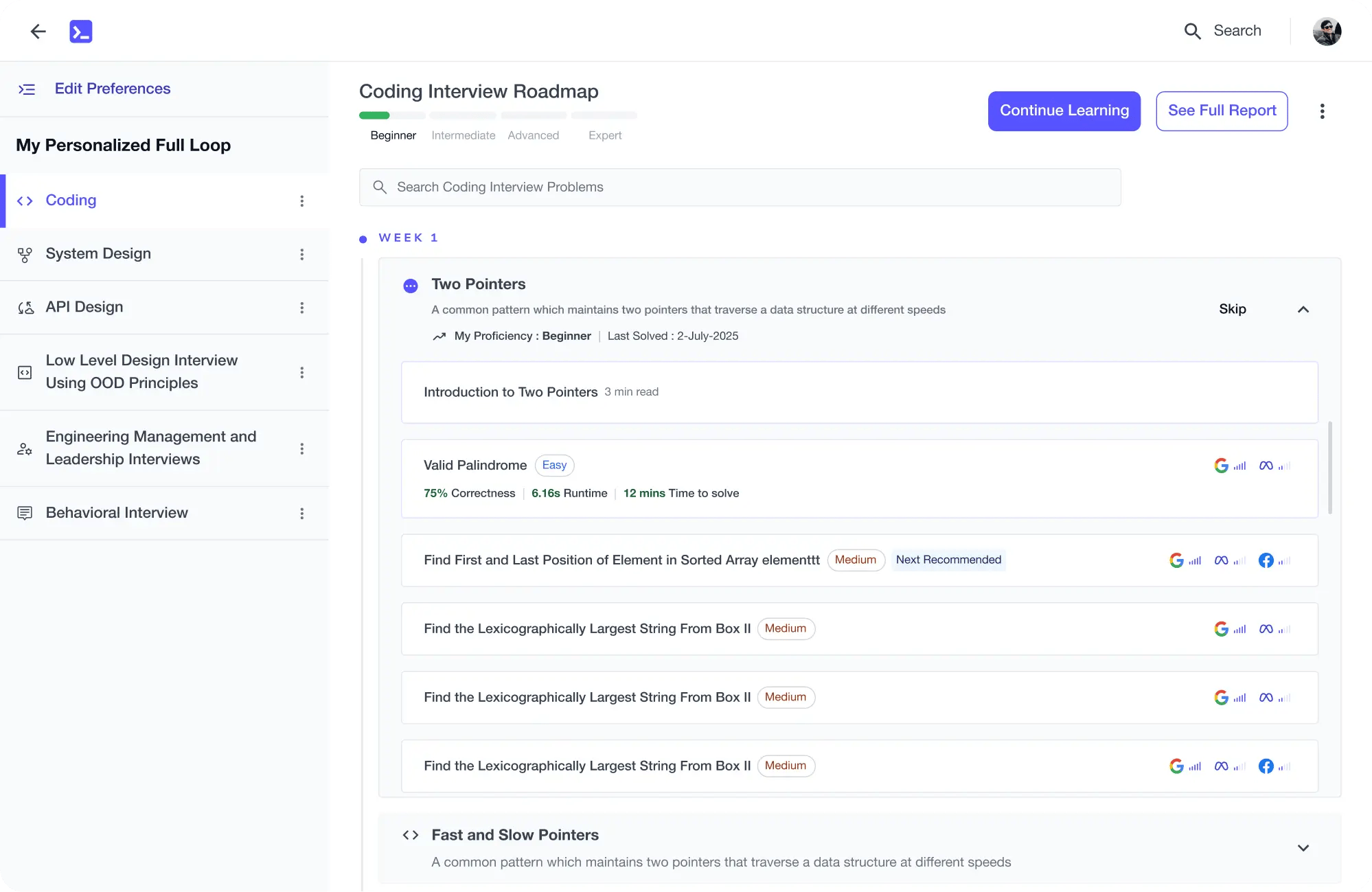
Personalized Roadmaps
The platform adapts to your strengths & skills gaps as you go
Future-proof Your Career
Get hands-on with in-demand skills
AI Code Mentor
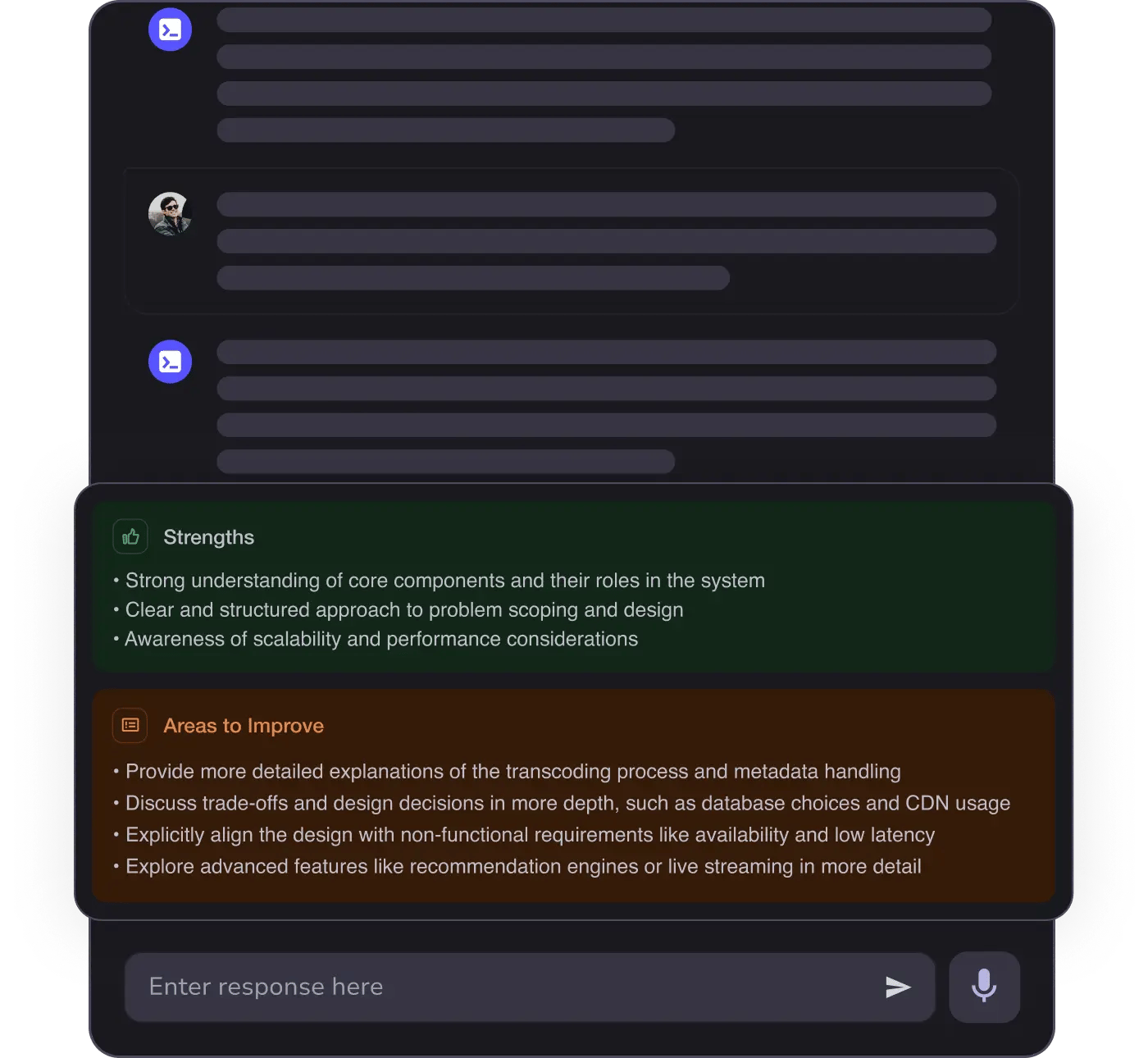
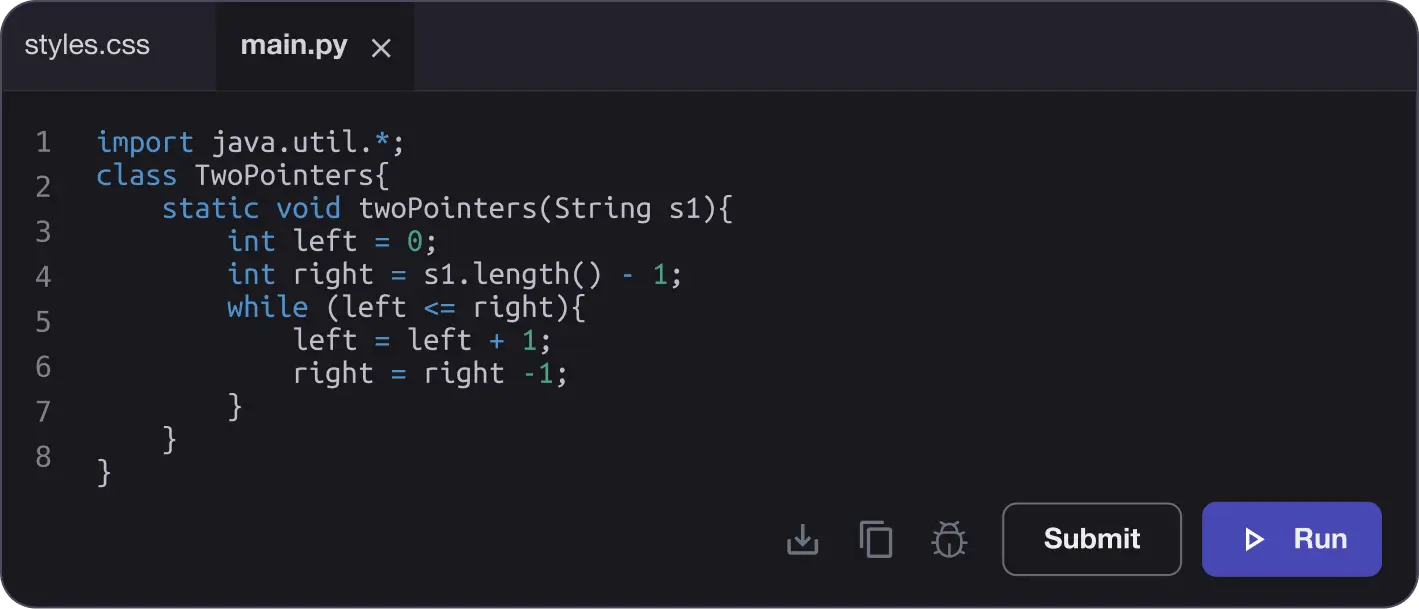
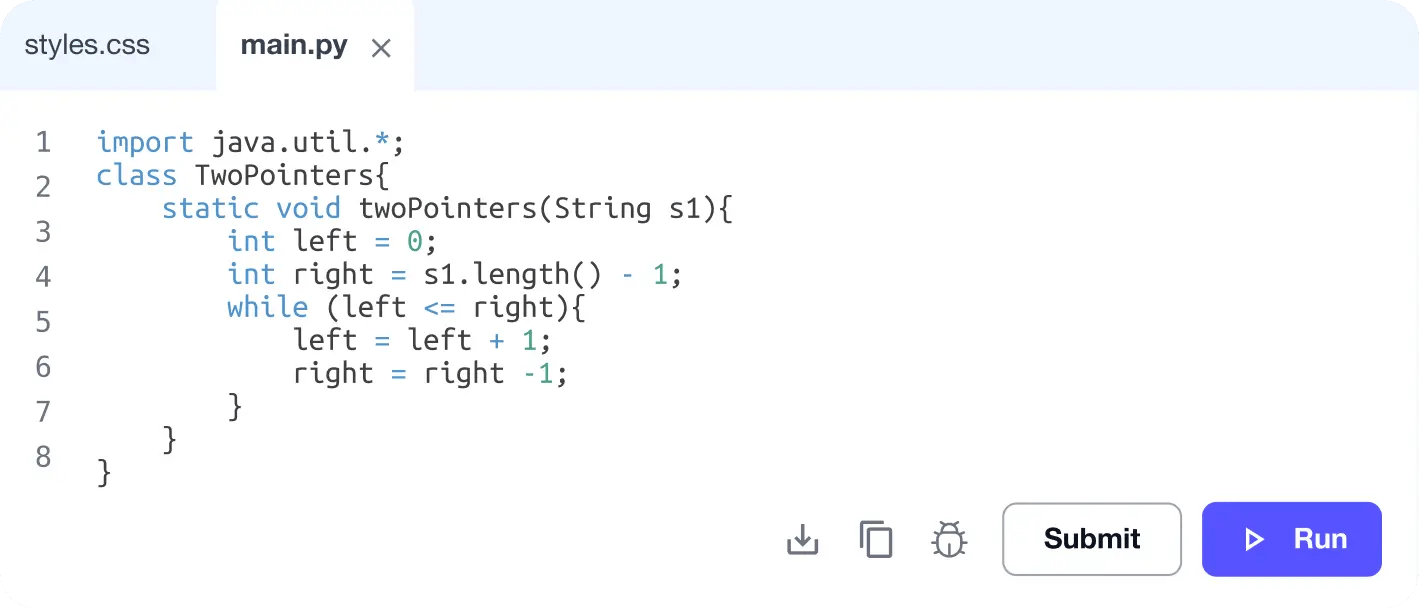
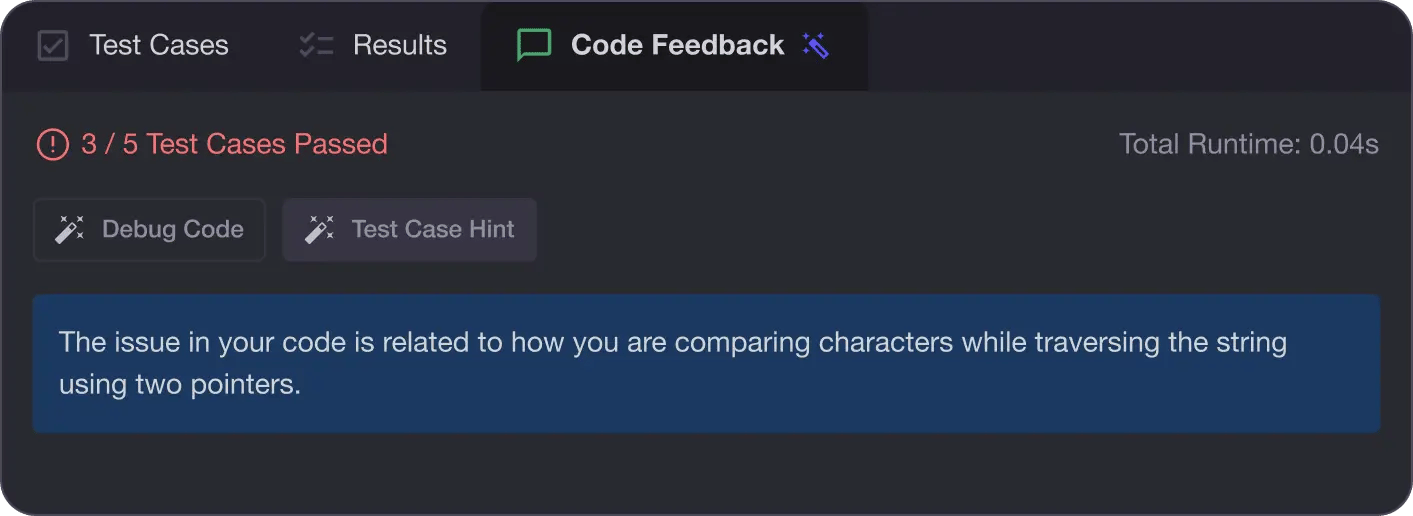
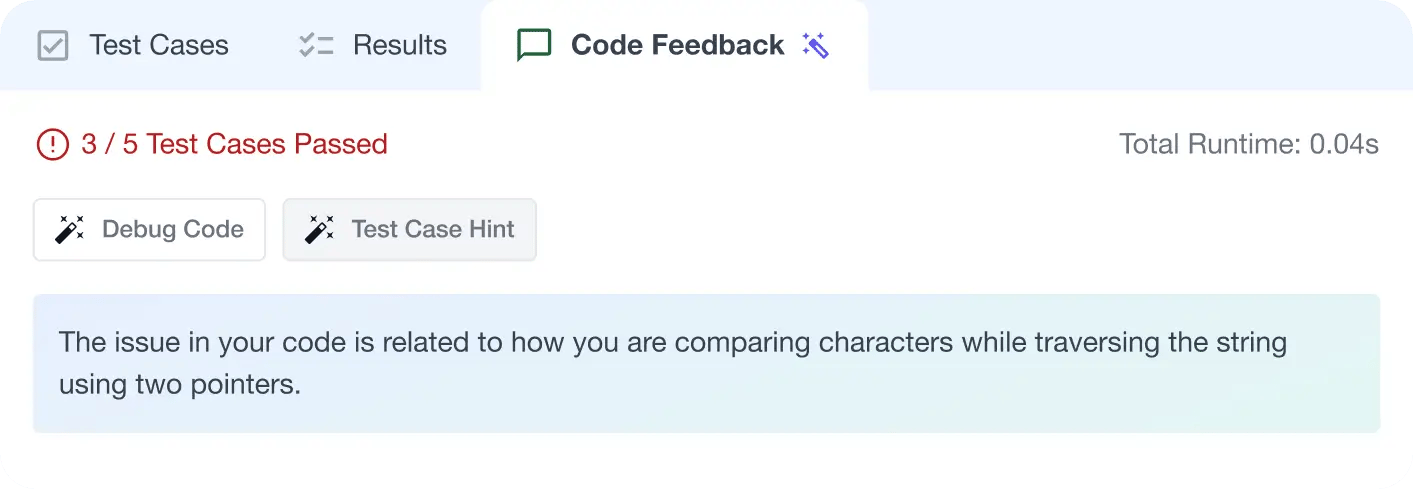
Write better code with AI feedback, smart debugging, and "Ask AI"
MAANG+ Interview Prep
AI Mock Interviews simulate every technical loop at top companies